
Property
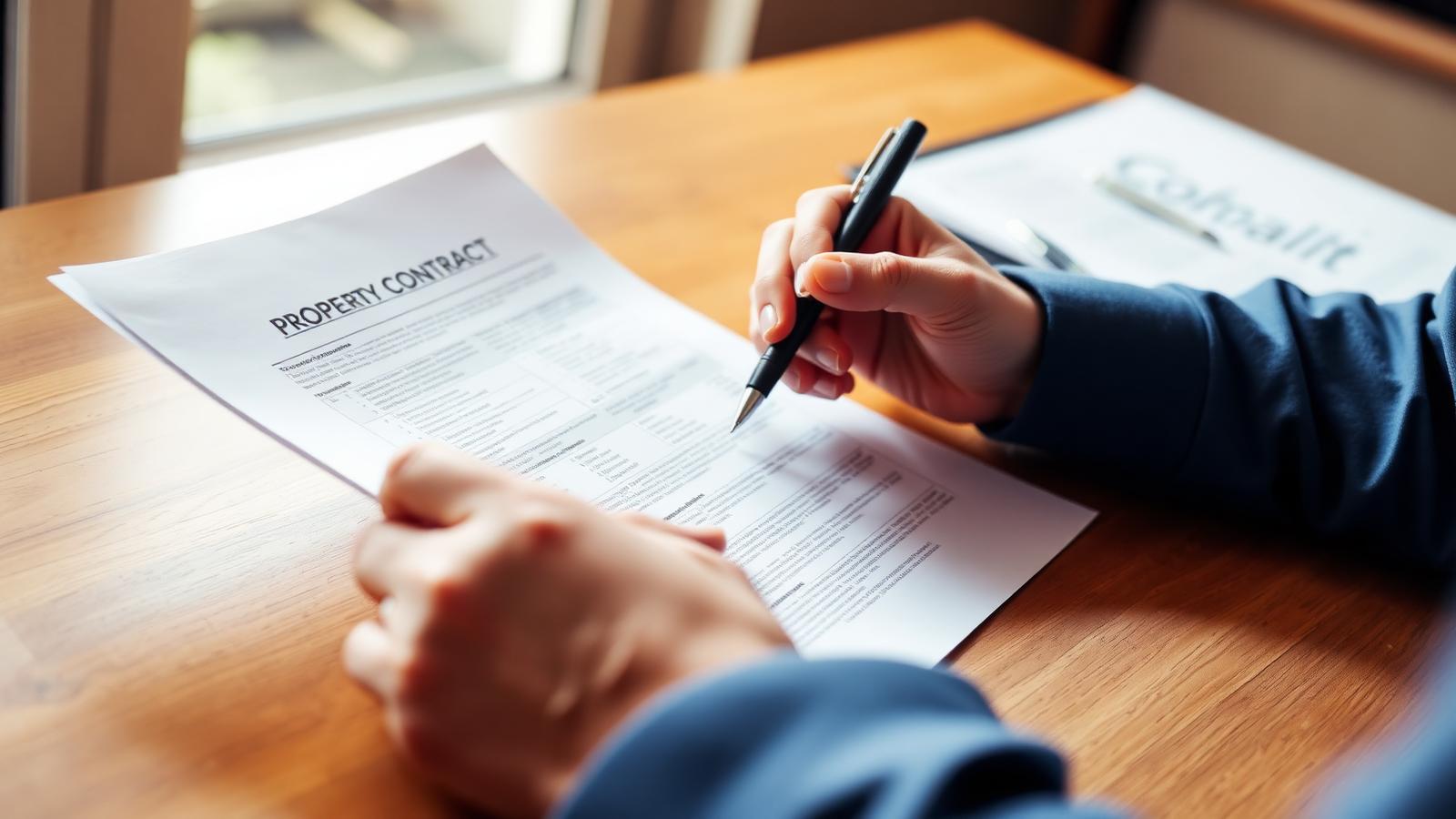
What your section 32 vendor statement actually tells you
Before you sign a contract to buy land in Victoria, the vendor must give you a section 32 statement. Here is what it discloses and what to look for.
14 July 2026 · 6 min read
Disputes
CMK Legal6 May 20265 min read
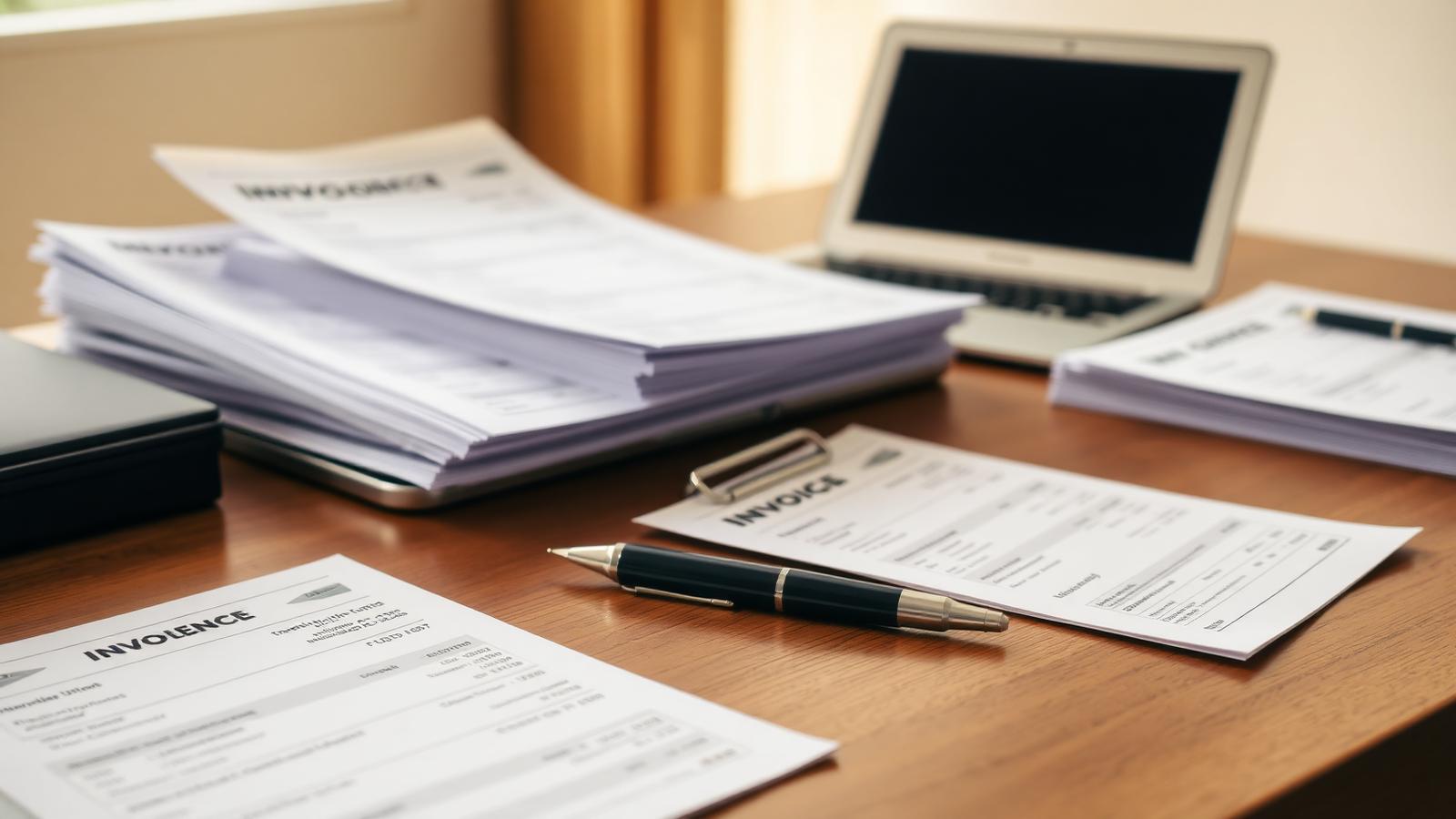
An unpaid invoice is a common and frustrating problem for any business. The good news is that a debt can usually be recovered through a clear, escalating process, and most matters resolve well before a courtroom is involved. The key is to move steadily and keep your position strong at each step.
Before chasing payment, make sure the debt is sound. Confirm the agreement or terms the debt is based on, that the goods or services were delivered, and that the amount is correct and not genuinely disputed. A debt that rests on clear terms and good records is far easier to recover.
A well drafted letter of demand is often all it takes. It sets out the debt, the basis for it, and a firm deadline to pay, and it signals that you are prepared to take the matter further. Many debtors pay once they see that the creditor is organised and serious.
Debts do not last forever. Under the Limitation of Actions Act 1958 (Vic), a simple contract debt generally must be pursued within six years. Leaving a debt unaddressed can weaken your position and, eventually, remove the right to recover it at all.
Recovering a debt is about applying steady, well judged pressure and choosing the right step for the situation. Often a single firm letter does the work. When it does not, having a clear path to escalate, and the records to back it, is what gets you paid.
Property
Before you sign a contract to buy land in Victoria, the vendor must give you a section 32 statement. Here is what it discloses and what to look for.
14 July 2026 · 6 min read

Family
Most separations do not need a courtroom. Here is how a property settlement is worked out, and how to formalise it so it sticks.
23 June 2026 · 6 min read

Property
A private sale usually comes with a cooling off period. An auction does not. Here is why the contract needs to be checked before you raise your hand.
2 June 2026 · 5 min read